Spring Cleaning - One Sock At A Time!
“Lots of people feel shame or embarrassment about having a "messy" home, but it’s a normal problem that affects almost everyone at some point.”
-Piper Keyes
The tradition of “Spring Cleaning” has existed in many different cultures for hundreds of years. It’s often linked to ideas about purification, new beginnings, and celebrating both the end of winter and the arrival of warmer weather. It’s no secret that keeping a tidy home is a good idea for your physical health—for example, by increasing your physical activity, helping you avoid getting hurt by tripping or falling, and boosting respiratory and immune system health—but you may not have thought about how it affects your mental health!


A person’s home is often thought of as an extension of themselves. When that home is messy, dirty, or cluttered with too many unneeded items, it can have negative impacts on their psychological state. A 2021 study published in the Journal of Environmental Psychology found that the state of a person’s home, and clutter in particular, were “significant predictors of wellbeing”. Other researchers have examined how severe clutter is associated with cognitive deficits among people with hoarding disorder, including problems with memory, attention, and decision-making. Unclean and overcrowded homes have been proven to cause higher stress and anxiety, and even worse academic performance for kids.
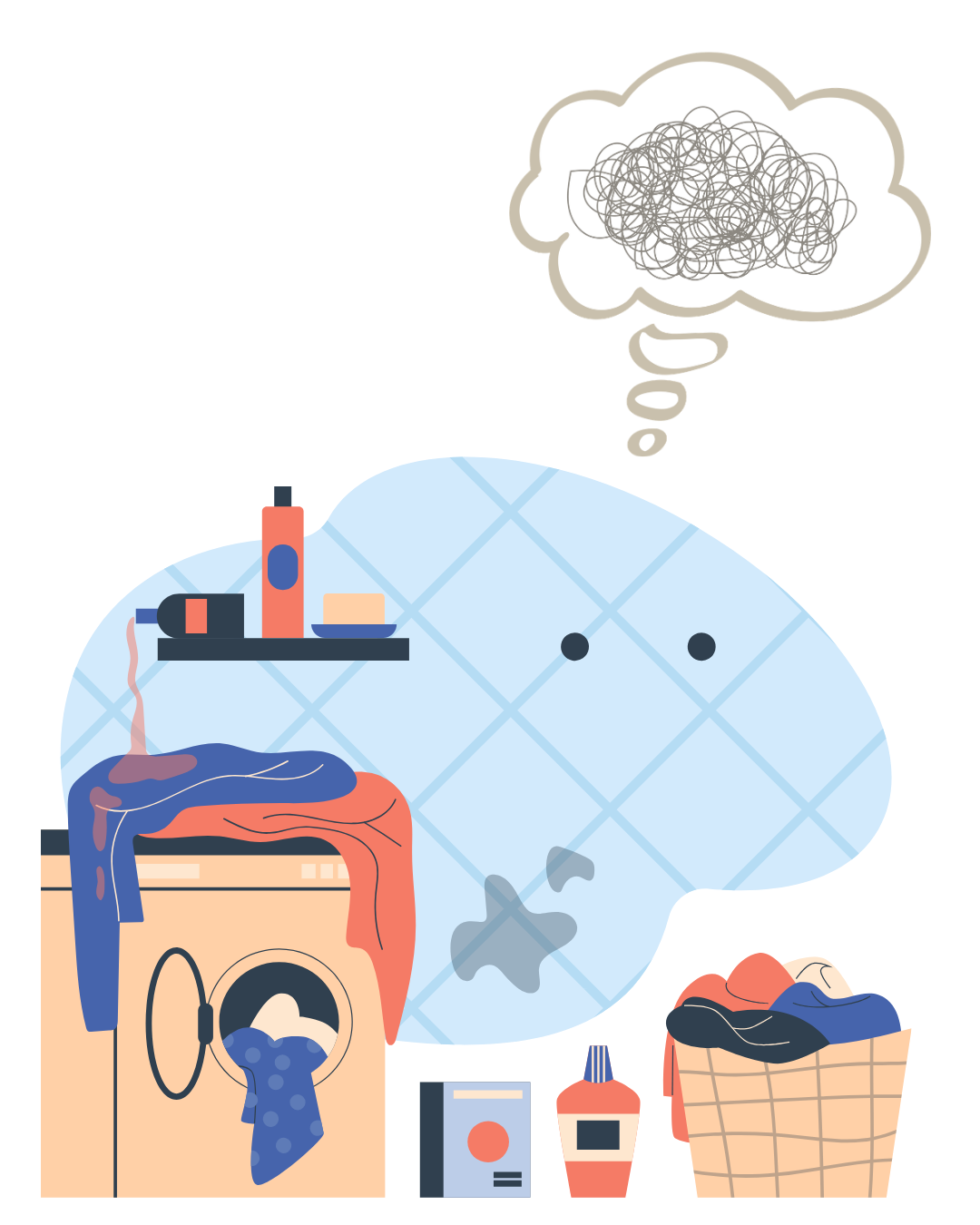
We know that a clean and organized home helps with mood, stress levels, and focus… So how do we get there?
Cleaning can be hard, especially for people who live with symptoms of ADHD, depression, hoarding disorder, or those who just plain don’t enjoy it. If you’re thinking about doing some deep-cleaning, reorganizing, or decluttering of your own this season, here are some tips that might help you get started:
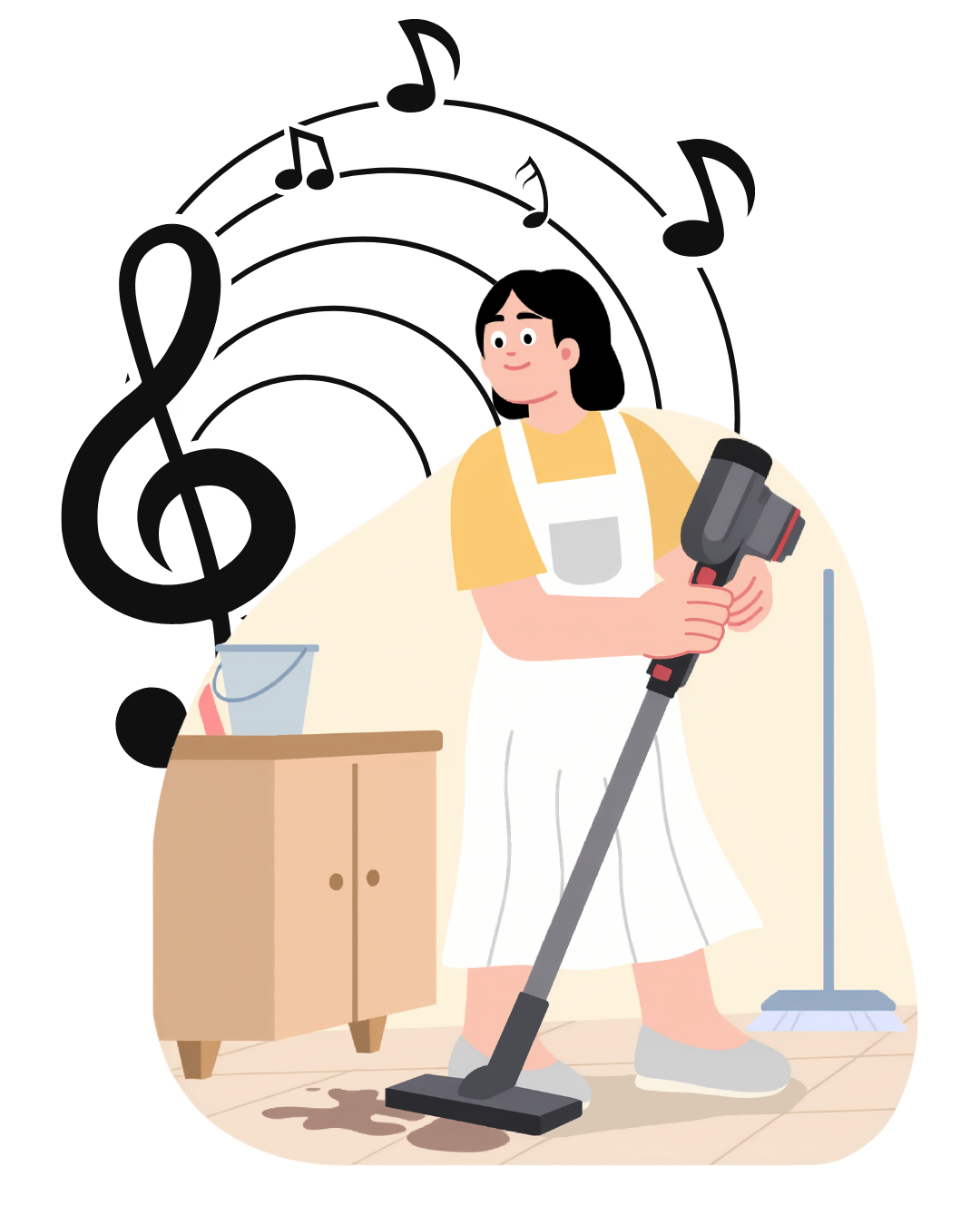
Set a timer/Pomodoro technique. When cleaning up seems completely overwhelming, this can help break it into smaller, more manageable chunks. Try setting a timer on your phone for 5-15 minutes, then commit to tackling just one specific task during that time. Another option is to make a short playlist of a few songs you like and keep going until it stops. Once time is up, either take a break or switch to a different task.

(Many people with ADHD find success with the 10-3 rule: ten minutes of working intently, then a three minute break to mentally reset. This helps build focus, prevent procrastination, and provides structure and reward all at once.)

Make a list. This is another way to break the job down into bite-sized chunks—sometimes, the smaller, the better. For example, “doing the laundry” can be split up into 1) putting the laundry in the hamper, 2) starting the washer, 3) starting the dryer, 4) folding clothes, and 5) putting clothes away. If you’re a person who finds it satisfying to cross things off, or to see visual reminders of your progress, this might work well for you.
Try to associate cleaning with something enjoyable. This could mean putting on a good playlist, a favourite podcast, making yourself a cup of coffee, or rewarding yourself once you finish a task—maybe a piece of candy for each small job you complete, or an outing with a friend scheduled for later on in the day, which can give you something to look forward to.
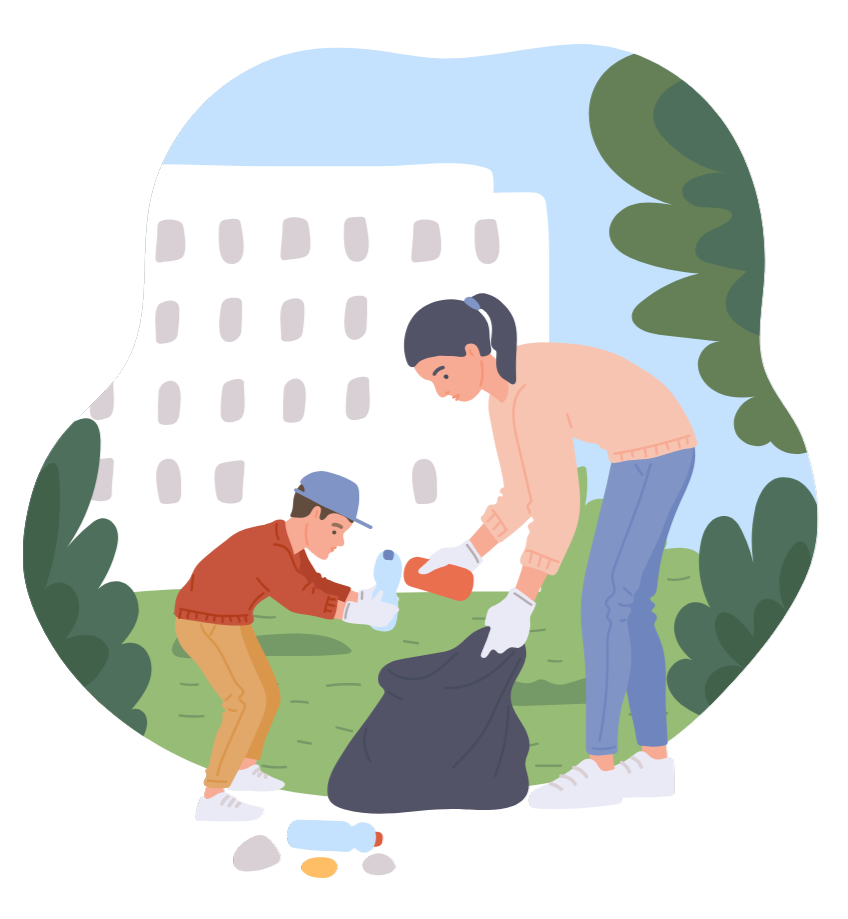
Ask for help. Lots of people feel shame or embarrassment about having a “messy” home, but it’s a normal problem that affects almost everyone at some point. Asking a friend or family member for help with tidying up or sorting through belongings can make the process more fun, keep you on-task, and make the work go by quicker. You can also offer to return the favour afterward!
Remember: you don’t have to do it all in one day. Cleaning can feel physically, mentally, and emotionally tiring, but it doesn’t have to be. Tackling one small task or one specific area is always better than doing nothing at all. Even picking one sock up off the ground means one less sock on the ground. Try to save the ‘big jobs’ for days when you have enough energy, help, and time.


In the long term, coming up with personalized strategies or daily routines can help you keep your environment tidy so that things don’t get ‘out of control’. Which tasks do you struggle with most? Is there a way you can work them into your schedule on a regular basis, so that they become a habit? Of course, this will look very different from one person to the next, and it may take some trial and error to figure out. At the end of the day, your home doesn’t need to be worthy of an HGTV show—just safe and comfortable for you.
Having trouble getting started? We're here for support! Connect with us HERE or by calling 587-333-6349 💙
Sources
Goux, D., & Maurin, E. (2005). The effect of overcrowded housing on children's performance at school. Journal of Public Economics, 89:5–6, 797-819. https://doi.org/10.1016/j.jpubeco.2004.06.005
Raines, A. M., Timpano, K. R., & Schmidt, N. B. (2014). Effects of clutter on information processing deficits in individuals with hoarding disorder. Journal of Affective Disorders, 166, 30-35. https://doi.org/10.1016/j.jad.2014.04.074
Rogers, C., & Hart, R. (2021). Home and the extended-self: Exploring associations between clutter and wellbeing. Journal of Environmental Psychology, 73. https://doi.org/10.1016/j.jenvp.2021.101553