What is rTMS? A Clear Explanation (And What It Actually Feels Like)
It’s not forcing your brain to do something unnatural. It’s helping it get back on track.
If you’ve been looking into treatment options for depression, anxiety, or even things like chronic brain fog, you might have come across rTMS.
And if you’re like most people, your first reaction is usually:
What exactly is that?
Is it like shock therapy?
Does it hurt?
Let’s walk through it in a way that actually makes sense.
What rTMS Actually Is
rTMS stands for repetitive Transcranial Magnetic Stimulation.
That sounds technical, but the idea is simple. It uses targeted magnetic pulses to stimulate specific areas of the brain.
Magnets themselves aren’t new in the world of health and wellness. They’ve been explored in different forms for centuries! rTMS takes that concept and applies it using modern neuroscience. Instead of general exposure, it delivers highly targeted stimulation to specific brain regions based on what we know about brain function.
Different parts and systems of your brain are responsible for things like mood, focus, motivation, pain, and impulse control. When those areas aren’t functioning well, symptoms start to show up.
rTMS helps activate or regulate those areas so the brain can function more normally again.
It’s not forcing your brain to do something unnatural. It’s helping it get back on track.
Is rTMS the Same as Shock Therapy?
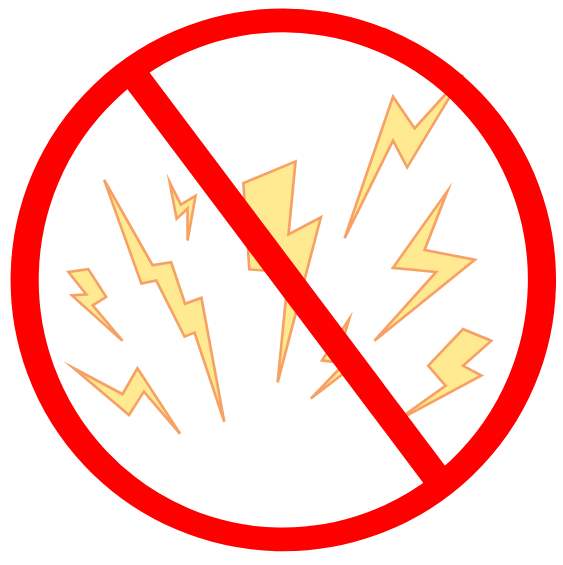
No. Not even close.
This is one of the biggest misconceptions.
rTMS:
Does not send electrical currents through your brain
Does not require sedation
Does not affect memory
You’re awake the entire time, sitting comfortably, fully aware of what’s going on.
It’s a very different type of treatment.
What Does rTMS Feel Like?
This is usually the biggest concern.
Many other rTMS systems have a reputation for being uncomfortable. People often described a strong tapping sensation or headaches during treatment. That was one of the main reasons I held off on offering it for a long time.
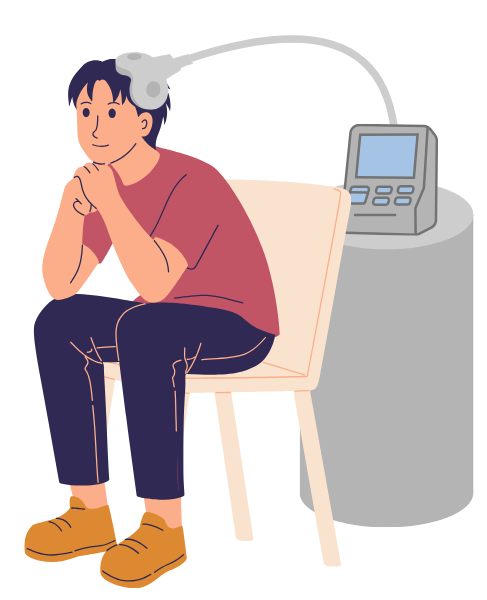
With the Exomind system we use, the experience is very different. When I tried it myself, it felt like a light tingling on my head. Honestly, it was kind of pleasant.
Most people describe it as:
Mild
Easy to tolerate
Something they adjust to quickly
That difference in comfort matters more than people think, especially when you’re doing multiple sessions.
What rTMS is Used For
rTMS is most commonly used for:
Depression, especially when other treatments haven’t worked
Anxiety
Chronic pain
OCD
Cravings and impulse-related challenges, including binge eating
All of these involve how the brain is functioning, which is why targeting the brain directly can be effective.
There’s also growing interest in using rTMS for other areas. Some of the emerging applications being researched include:
PTSD
Autism spectrum-related symptoms
ADHD
Cognitive performance and brain fog
The results so far are promising in certain cases, but this is still an evolving area. The research is ongoing, and not every application is as well established as depression treatment.
That said, the brain is involved in all of these conditions, so it makes sense that targeted stimulation could play a role.
If you’re dealing with something specific and wondering whether rTMS might be helpful, even if it’s not listed here, it’s worth reaching out. We can walk through your situation with you and help you decide whether it’s something that makes sense to consider.
How rTMS Compares to Medication
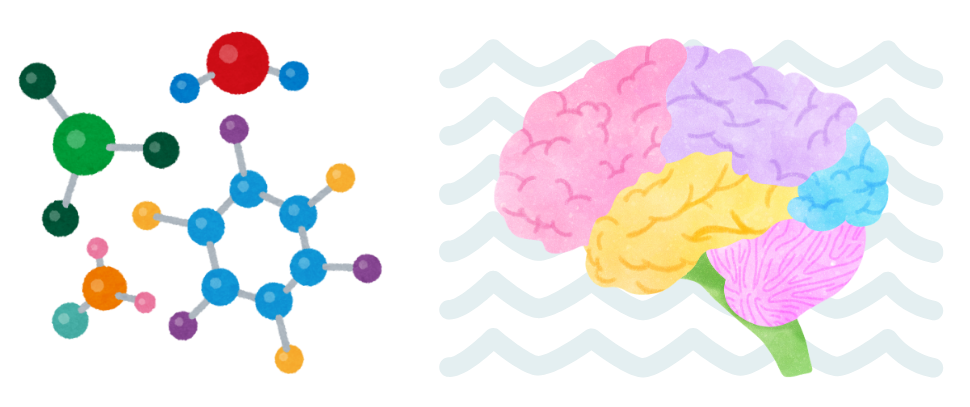
Medication works by changing brain chemistry. But rTMS works by directly influencing brain activity.
For some people, medication works well. For others, it doesn’t get them where they want to be, or the side effects become a problem.
rTMS becomes a strong option when:
You haven’t responded well to medication
You don’t want to rely on medication long term
Or you want something that targets the brain more directly
What Makes Our Approach Different at Sano State Psychology
There are well-established rTMS protocols that are used across clinics, and those are important.
What we add to that is a layer of precision. Before starting treatment, we use qEEG brain mapping to look at how your brain is actually functioning. That allows us to identify patterns and areas that may need support.
From there, we can apply treatment within a structured framework, but with adjustments based on your brain.
We take the same approach with other treatments we offer, like Neurofeedback. The goal is to make treatment more targeted, not just standardized.
The Bottom Line
rTMS is a non-invasive way to directly influence how your brain is functioning.
It’s not extreme. It’s not something to be afraid of. And with newer technology, it’s far more comfortable than most people expect.
For the right person, it can be a very effective option, especially when other approaches haven’t fully worked.
Connect With Us
If you’re wondering whether rTMS could help in your situation, the first step isn’t guessing. It’s understanding your brain.
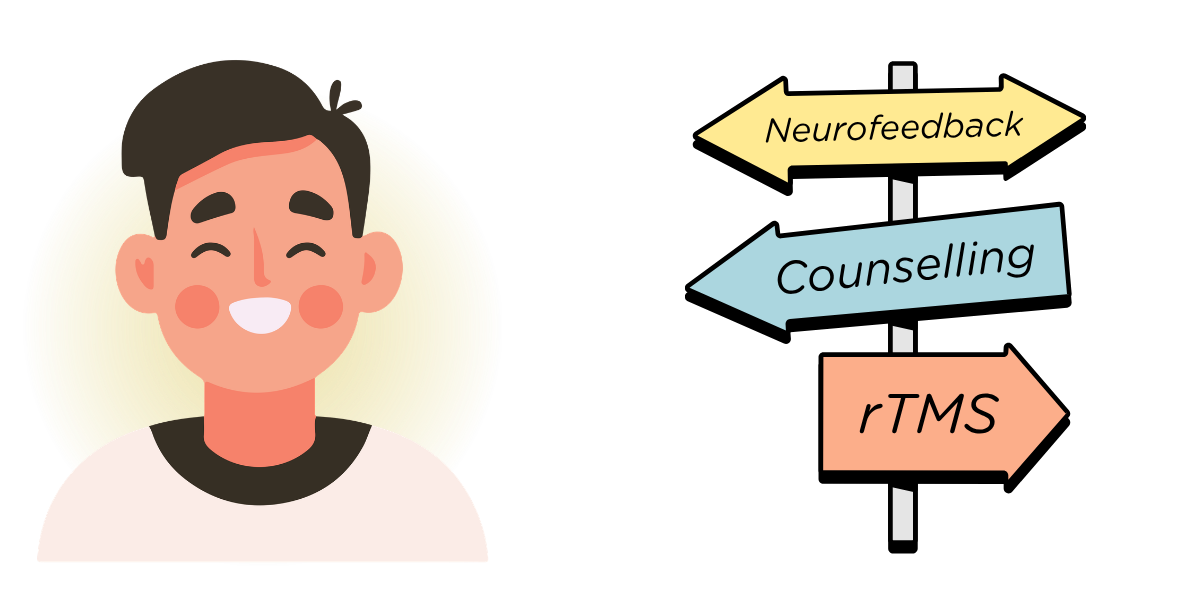
From there, we can help you figure out whether rTMS, neurofeedback, or other therapies offered alone or in combination makes the most sense.


