Why We Added rTMS (Exomind) at Sano State Psychology
“Having another tool means we can better match the treatment to the person instead of trying to make one approach fit everyone.”
At Sano State, our focus has always been pretty straightforward. We want to help people improve how their brain is actually functioning, not just manage symptoms. That’s why, in addition to different talk therapies, and biofeedback, a lot of what we do is specifically brain-based including Neurofeedback, qEEG assessments, photobiomodulation (PBM), and Pulsed Electromagnetic Field (PEMF). The goal is always the same: to understand the brain, and then work with it directly.
Why We Didn’t Jump Into rTMS Right Away
Even though rTMS has good research behind it, I held off for quite a while. There were a few things that didn’t sit right with me:
The frequency and number of sessions people often needed to get good results
The side effects I kept hearing about
And the lack of personalization of the treatment for individuals
Most people that I spoke to who had tried rTMS described headaches and discomfort. Some just didn’t enjoy the experience at all. Additionally, from a clinical standpoint, I wasn’t interested in bringing in something that didn’t allow for individualization.
At Sano State, we use qEEG brain mapping to guide treatment and therapy protocols. We need to first understand what’s happening in that specific person’s brain before moving forward with treatment options.
So unless rTMS could fit into that model, it didn’t make sense for us to add it.
What Changed
Colleagues I trust were recommending it. And internally, Dr. Shema had been pushing for us to seriously look into bringing rTMS into the clinic. Over time, I started hearing more about newer systems, particularly Exomind. So I dug into it more.
What stood out right away was that they had clearly addressed a lot of the concerns I had:
Far fewer side effects
A much more comfortable experience
And better efficiency in how treatments are delivered
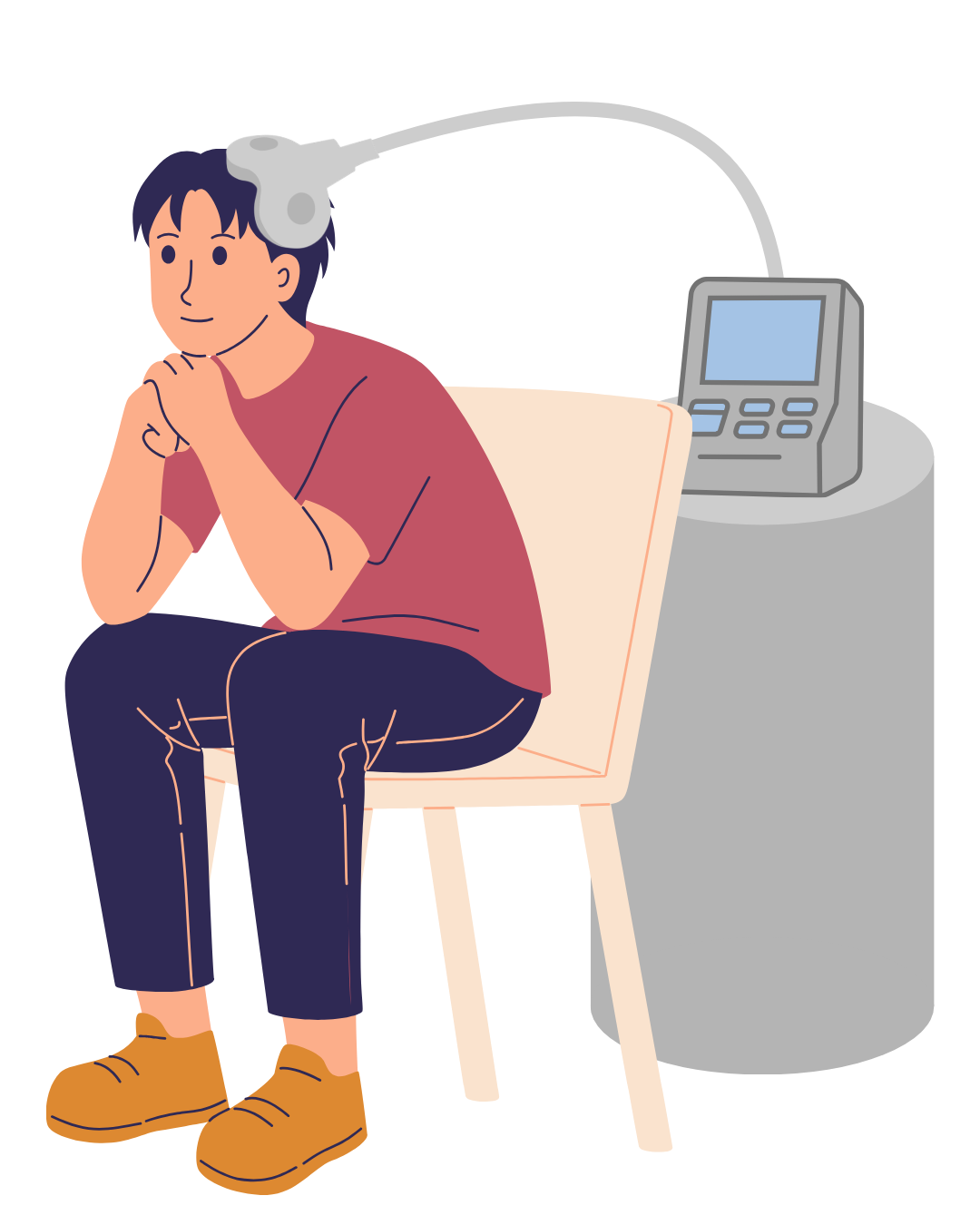
So, I decided to give it a try myself. It didn’t feel like what I had heard about rTMS at all. It was just a light tingling sensation on my head. Honestly, for me it was kind of pleasant. When I discussed it with other providers, they confirmed that others also found it to be quite relaxing.
That was a very different experience from what I had seen with older systems. At that point, it felt like rTMS had finally reached a place where I could confidently bring it into the clinic.
Why rTMS Fits With What We Already Do
Even with good results, nothing works for everyone. That’s just reality. So I’m always looking at ways to expand what we can offer, as long as it stays aligned with how we approach treatment.
Right now, that includes:
Neurofeedback
qEEG brain mapping
Photobiomodulation
PEMF
Biofeedback and counselling
And now, rTMS fits into that really well.
It works on similar brain systems as neurofeedback, but in a different way. Neurofeedback is more about training the brain over time. rTMS is about stimulating specific areas to help shift how they’re functioning. That gives us more flexibility.
Sometimes rTMS will be the main intervention. Sometimes it’ll be combined with neurofeedback. Sometimes it’ll be part of a broader plan that includes multiple approaches.
Where I See rTMS Adding the Most Value
There are areas where I’ve seen good results with what we already do, but also areas where I think rTMS may be an even better fit.
Things like:
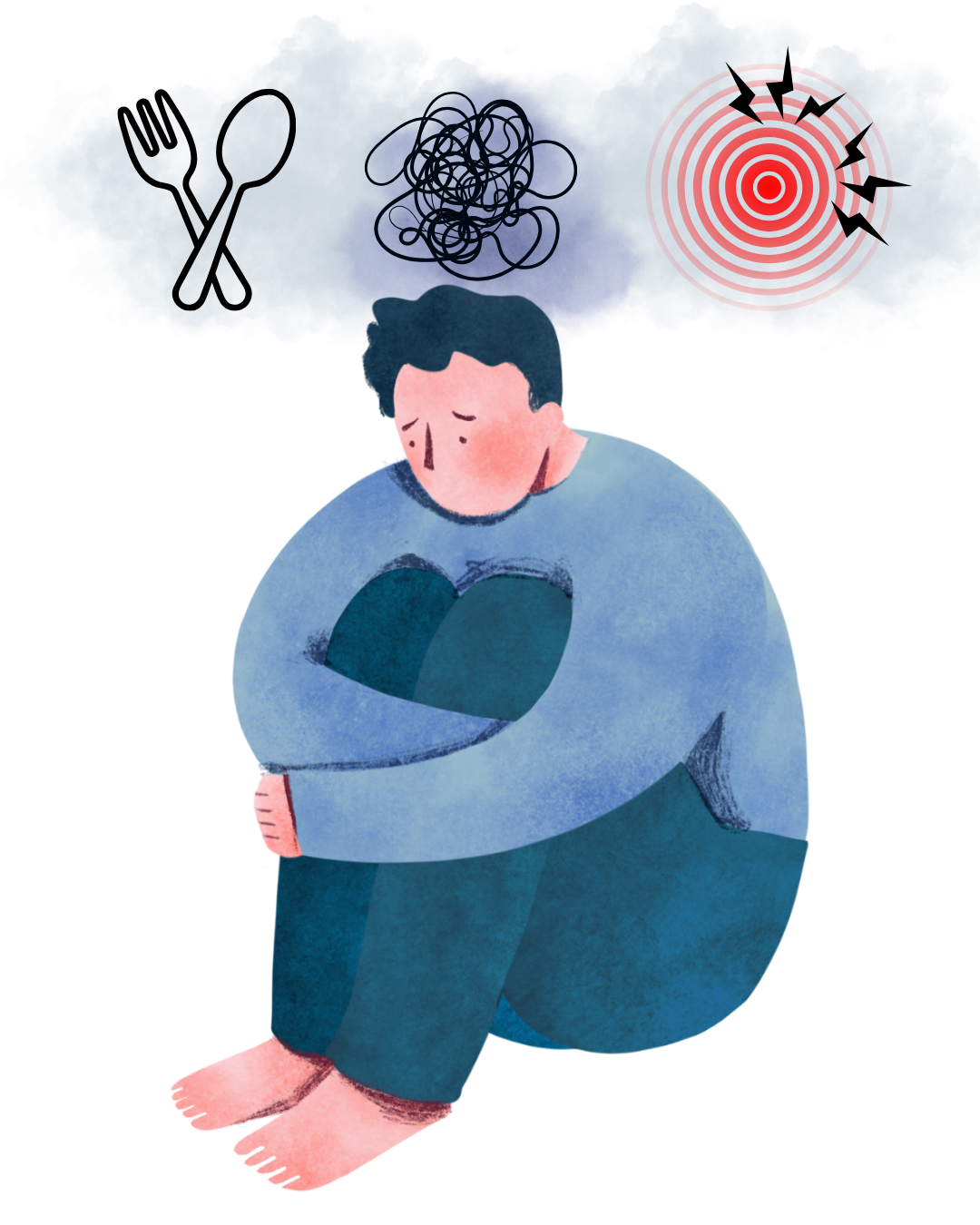
Treatment-resistant depression
Chronic pain
Binge eating and weight management
Having another tool means we can better match the treatment to the person instead of trying to make one approach fit everyone.
What Sano State Psychology Does Differently
There are well-established, standardized rTMS protocols, and those matter. They’re based on solid research. What we are adding to that is a layer of precision.
Before starting treatment, we use qEEG brain mapping to look at how a person’s brain is functioning. That helps identify patterns and areas that may need support. From there, we can apply treatment within a structured framework, but with adjustments that are guided by the individual brain in front of me.
That same approach carries across the brain treatments we do like Neurofeedback.
The goal is always the same. Make it specific to the person, not just the diagnosis.
The Bottom Line
We did not add rTMS because it’s popular.
We added it because the technology has improved, the experience is better, and it finally fits with how we actually like to practice.
With Exomind and a qEEG-guided approach, we now have another solid option for people who feel stuck, especially those who haven’t gotten where they want to be with other treatments.
Ready For Something New?
If you’ve tried different approaches and still feel like you’re not getting the results you want, it might be time to look at what’s actually happening in your brain.
From there, we can figure out whether rTMS, neurofeedback, PEMF, talk therapies or a combination of approaches makes the most sense.
Connect with us at 587-333-6349, or head to the home page to book a free consultation.
Disclaimer
Our content is for informational and educational purposes and is not a replacement for professional advice, diagnosis, or treatment. If you're facing mental health concerns, please seek help from a qualified professional for personalized guidance. Every individual's situation is unique, so use the information here at your discretion. While we strive for accuracy, the field of psychology is ever-evolving, and our content may not always reflect the latest research. Please prioritize your privacy by avoiding sharing personal information in comments or interactions. Your well-being is our top concern, so use our content for educational purposes, but remember to rely on professionals for your specific needs.


