Neurofeedback and Traumatic Brain Injury
"What makes TBI especially challenging is that recovery is rarely linear."
-Kayla Taylor, R. Psyc.
Neurofeedback and Traumatic Brain Injury (TBI): A Powerful Tool for Healing, Regulation, and Long-Term Recovery
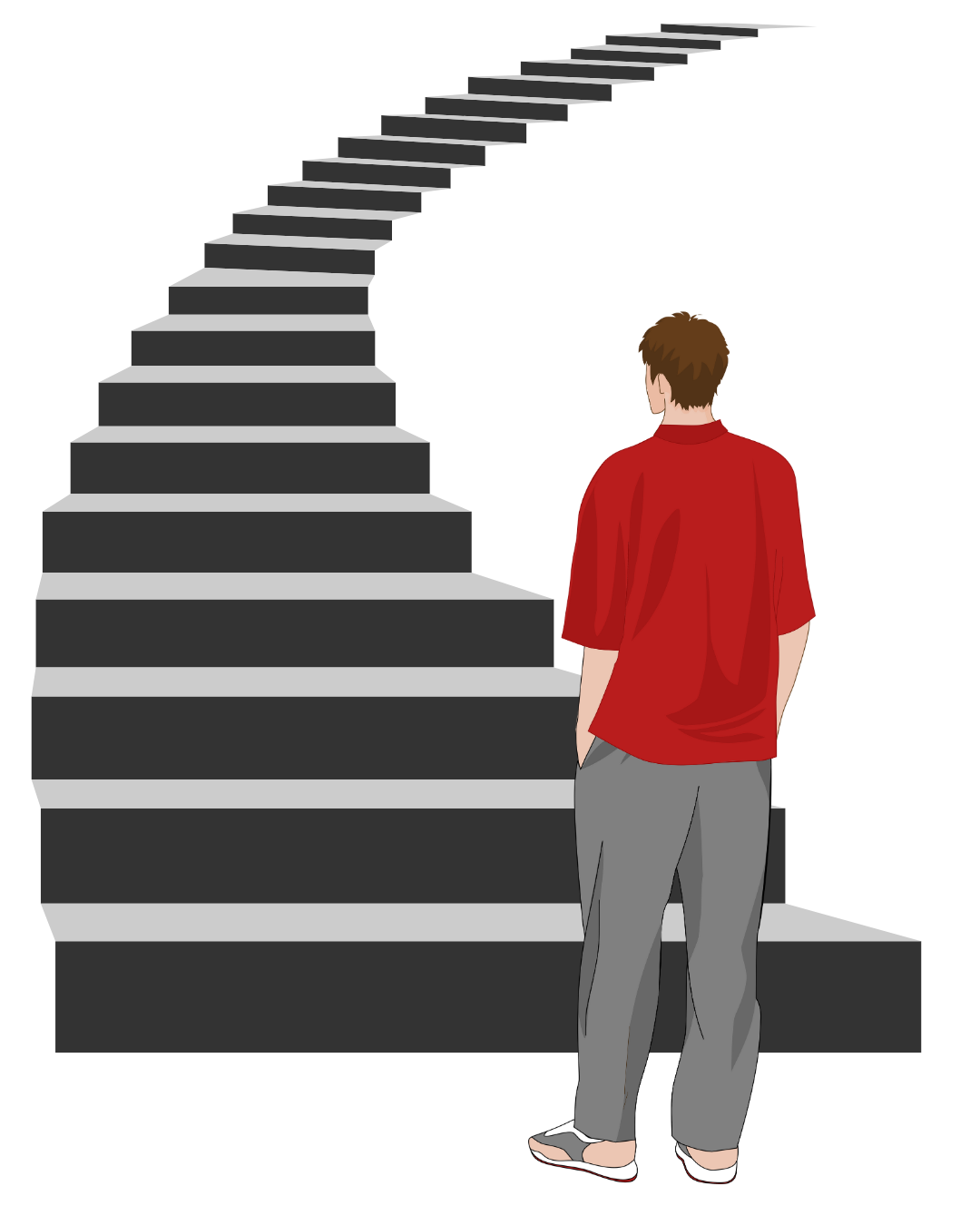
A Traumatic Brain Injury (TBI) is often described as an “event,” but for many people, it becomes a long-term journey. Months and even years after the initial injury, symptoms can continue. Sometimes in predictable or unpredictable ways. Symptoms like fatigue, anxiety, sleep disruption, memory issues, headaches, dizziness, nausea, mood changes, sensitivity to light or screens, and an overall sense that the nervous system is just not the same. This leaves people with brain injuries not only experiencing the day-to-day challenges with symptom management but also grief over a future self that no longer exists.
What makes TBI especially challenging is that recovery is rarely linear. Someone may improve dramatically for months, then hit a wall. Or they may appear “fine” on imaging and standard neurological testing while still struggling daily with focus, emotional regulation, or overstimulation. This disconnect can be frustrating and isolating, and it often leads to one of the most common TBI experiences: “I just want to feel like myself again”.
That is where neurofeedback therapy can play an important role.
Neurofeedback is not a magic cure-all therapy. But it is a unique tool that can support brain healing and symptom management by addressing one of the most overlooked aspects of TBI recovery: brainwave dysregulation.
Why TBI Symptoms Persist (Even Years Later)
One of the most misunderstood parts of brain injury is that symptoms can remain long after the original tissue damage has stabilized. That’s because many long-term symptoms are not only caused by the injury itself, but by how the brain and nervous system adapt afterward.
TBI can disrupt:

Grey matter (the neurons/cell bodies themselves)
White matter (the communication networks between neurons)
The arousal levels of the nervous system (fight/flight vs rest/digest)
Emotional regulation and stress tolerance
The endocrine system and the impact on the circadian rhythms (sleep)
Sensory processing (light, sound, screens, motion)
Executive functioning (focus, working memory, organization)
This can create a brain that is chronically overworking to do normal tasks, and that often shows up as fatigue, irritability, anxiety, or shutdown.
Even in mild TBIs, and especially in diffuse injuries (where the impact affects the brain broadly rather than in one specific location), the injury can create a long-term pattern of instability in how the brain regulates itself.
What Neurofeedback Is
Neurofeedback is a form of brain-based training that uses EEG (electroencephalography) to measure brainwave activity in real time. The brain is then given feedback (often through a simple video, audio, or game-like interface) based on how it is functioning. Over time, the brain is encouraged and learns to shift away from dysregulated patterns and toward more stable, efficient patterns. There are no electrical inputs going into the brain, just measuring what is already there and coaching it to do some different things.
A helpful way to think of it is: Neurofeedback doesn’t force the brain to change; it helps the brain learn how to regulate itself in a healthier way.

How Neurofeedback Can Help
One reason Neurofeedback can be so valuable in TBI recovery is because many post-TBI symptoms are fundamentally regulation problems.
For example, the brain may be stuck in a high-arousal state (hypervigilance, anxiety, insomnia), or it may swing between hyperarousal and shutdown (fatigue, depression, emotional blunting). It may also become overly sensitive to sensory input (screens, motion, noise) and/or struggle to coordinate the networks responsible for attention, mood, and memory.
Neurofeedback works directly with the brain’s regulatory systems, which makes it relevant for all of the above examples.
Every injury and nervous system is different, and while results vary, Neurofeedback is commonly explored for TBI-related symptoms such as:
Sleep disturbance and insomnia
Anxiety and panic symptoms
Emotional reactivity or irritability
Brain fog and slowed processing speed
Attention and executive functioning challenges
Headaches and migraines
Light and sound sensitivity
Screen intolerance
Dizziness or nausea (often vestibular/autonomic in nature)
PTSD-like symptoms after the injury
Mood instability
Neurofeedback offers a way to work with the brain globally, not only with one symptom at a time. It supports the nervous system in building stability, resilience, and efficiency.
Neurofeedback as Part of a Whole Recovery Plan
Often, TBI recovery requires a comprehensive recovery approach with multiple modalities to support healing and improved functioning.
This may include:
Medical evaluation to rule out physical contributors (thyroid issues, nutrient deficiencies, gastrointestinal conditions, medication side effects)
Vision or vestibular therapy if dizziness, nausea, or screen sensitivity is present
Trauma therapy when PTSD or nervous system hypervigilance is part of the picture
Sleep support strategies
Nutrition and hydration support
Gentle movement and nervous system regulation tools
Neurofeedback doesn’t replace these, but it can make the whole system more receptive, capable, resilient, and responsive to care.
If you or someone you love is navigating TBI recovery, it may be worth exploring Neurofeedback as part of a broader, individualized care plan.

If you are looking for additional support get in touch with us HERE or by calling 587-333-6349. 💙 At Sano State Psychology, we are always happy to help.
Disclaimer
Our content is for informational and educational purposes and is not a replacement for professional advice, diagnosis, or treatment. If you're facing mental health concerns, please seek help from a qualified professional for personalized guidance. Every individual's situation is unique, so use the information here at your discretion. While we strive for accuracy, the field of psychology is ever-evolving, and our content may not always reflect the latest research. Please prioritize your privacy by avoiding sharing personal information in comments or interactions. Your well-being is our top concern, so use our content for educational purposes, but remember to rely on professionals for your specific needs.


