6 Tips to Reduce Screen Time
"I’ll pick up my phone for no reason, and scroll for a while, and then put it down feeling worse than before."
One of my New Year’s goals this year was to reduce my screen time—and based on what I’ve been seeing online, I wasn’t alone. The term “analog” has been trending on several social media platforms, with people trying to reduce time spent on their devices and focus on more "real-world " activities. In many cases, these people are looking to improve their mental health and to find more enjoyable ways to spend their time. In fact, several studies have linked high phone usage to mental health issues like anxiety, depression, and poor sleep quality, (see Thomée, 2018 for example).
While some people have even decided to take it a step further and switch to flip phones, I knew that this was not a realistic solution for me. I’ve realized my goal isn’t to go completely analog. For me, it’s more about being intentional with how I use my devices.
Why I wanted to make some changes:
From personal experience, I’ve noticed a very clear pattern: the more time I spend on my devices–specifically on my phone–the worse I feel mentally. The hardest part? It’s not always a conscious decision. I’ll pick up my phone for no reason, and scroll for a while, and then put it down feeling worse than before.
"The hardest part? It’s not always a conscious decision."
What I also noticed is that I often catch myself saying, “I don’t have time” to do certain things–whether it’s exercise, chores, or even hobbies. But when I check my screen time, I realize that I do have the time, I just allocate it to the wrong things.
What’s worked for me:
1. Write things down
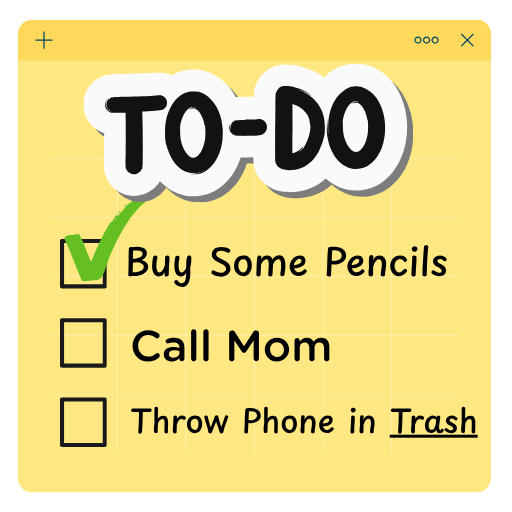
When I think of something I want to check, or if a ‘to-do’ task pops into my head, I jot it down in a notepad instead of grabbing my phone right away. It helps break the cycle of constantly picking up my phone (which often ends in scrolling). This way, I’m also not worried that I’ll forget anything important.
2. Create physical distance from your phone

Sometimes the simplest solution is also the most effective: leave your phone in another room or power it off for a while.
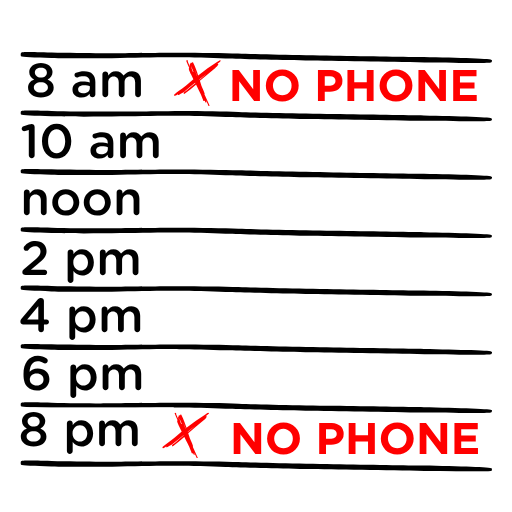
3. Create time blocks
Block some time where you’re not allowed to use your devices. Not starting or ending the day with a screen makes a big difference in sleep quality and mood, so I recommend beginning with that!

4. Set app limits—or remove them entirely
If specific apps are the main issue, setting a timer or deleting them (even temporarily) can help.
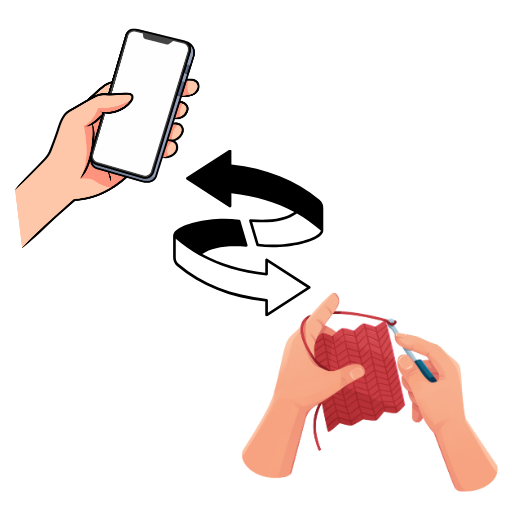
5. Replace screen time with something else
This is very important! It’s much easier to reduce screen time when you’re filling that space with something else you enjoy - whether that’s exercise, hobbies, or spending time with family and friends.
6. Ask yourself: “What am I here to do?”
Before picking up your phone, ask yourself this question. If you don’t have a clear answer, it’s usually a sign you don’t need to be on it!
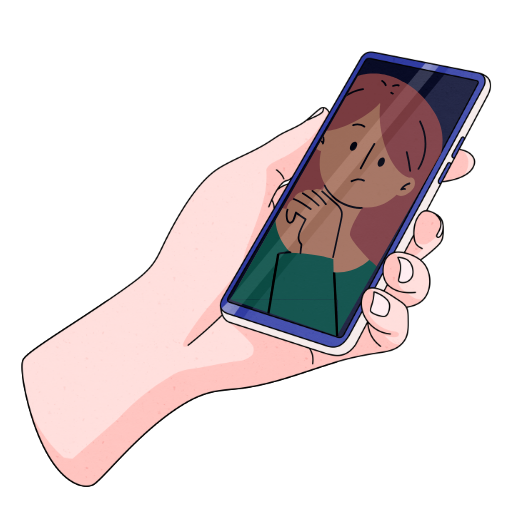
Remember that it may take some time to find what works best for you! By making small, mindful changes, we can focus more on our mental health, relationships, and the things that bring us joy.
Connect with us at 587-333-6349 or visit SanoState.net
Reference:
Thomée S. (2018). Mobile Phone Use and Mental Health. A Review of the Research That Takes a Psychological Perspective on Exposure. International journal of environmental research and public health, 15(12), 2692. https://doi.org/10.3390/ijerph15122692


