3 Relationship Destroying Cycles to Avoid
“Why are relationships something we desperately crave, seek, and need… but also struggle with so much?”
- Kayla Taylor

How many people have had difficult times in their relationships in the last year?
Arguments, fights, less physical intimacy, a general feeling of disconnection or loneliness despite being together often… many or all of the above?
Relationships are the most universal element of human nature–we all have an innate need for belonging and safety with others–, but they can also be the cause of a lot of stress at any given time.
Why are relationships something we desperately crave, seek, and need… but also struggle with so much?
How can we improve our ability to resolve conflict in a healthy way and thus feel more content, happy, and satisfied in our relationships?
Why We Struggle
There are three main cycles that cause relationship problems and distress.
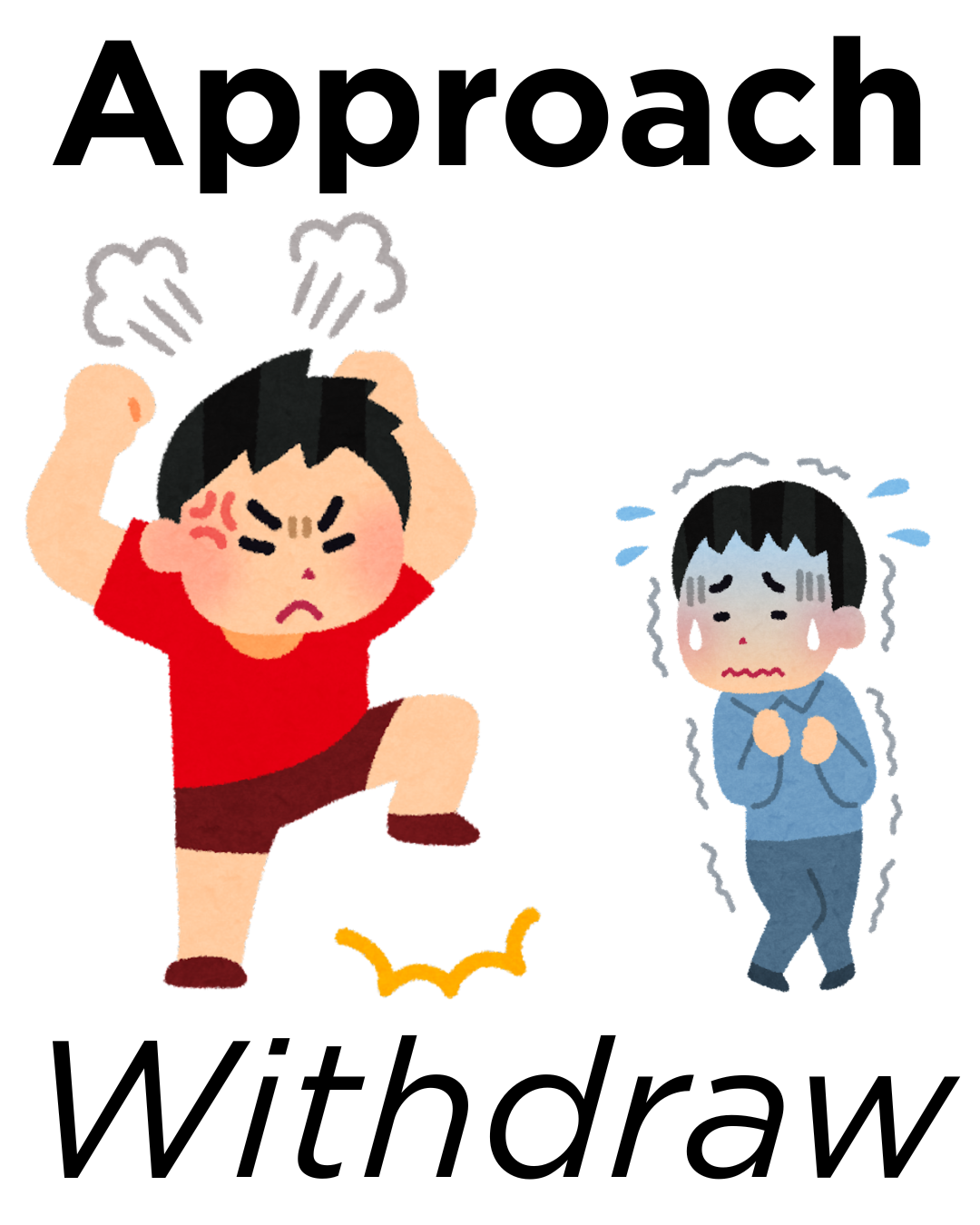
1) Approach-Withdraw: A pattern where one person becomes bigger and more confrontational as an argument ensues, and the other person backs down and withdraws as a result. This causes disconnection, lack of understanding, and a felt sense of disrespect and distance between the partners.
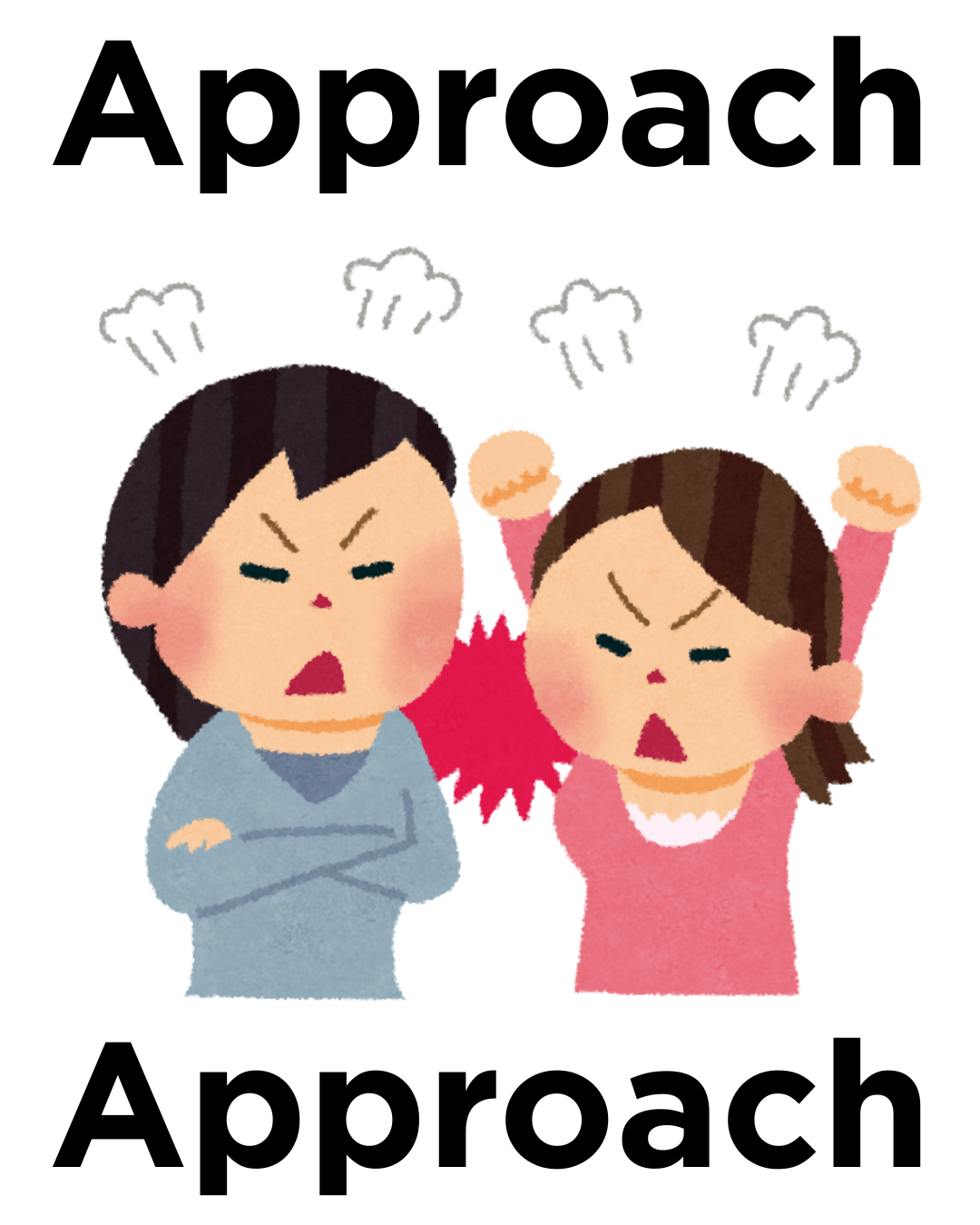
2) Approach-Approach: A pattern where the go-to is to “be loud to be heard.” Here, both partners seek contact or mutual understanding by engaging in loud, demanding, or confrontational behaviour, typically consisting mostly of complaining and blaming. Arguments usually escalate quickly and leave both parties angry and exhausted.
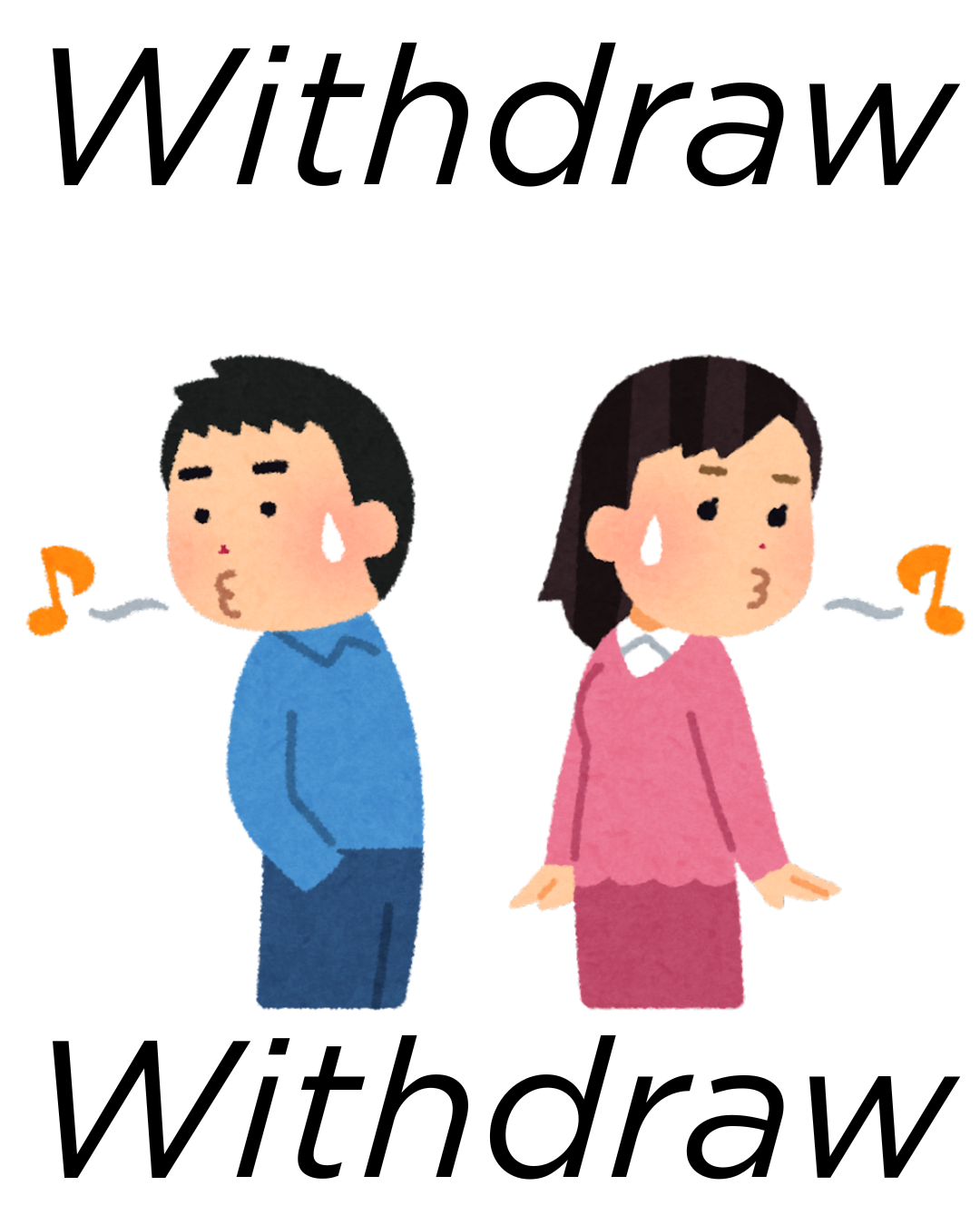
3) Withdraw-Withdraw: A pattern where both people avoid conflict wherever possible. Here, both partners withdraw physically and/or emotionally at first signs of disagreement. The outcome is that both partners feel like they actually don’t understand the other very well at all.
See the theme here?
Regardless of which of these patterns we typically have within our relationships, it still results in disconnection, lack of understanding, and hurt for both parties. The cycles feed themselves, and we find ourselves stuck.
How Can We Break the Cycle?
REFLECT on what pattern fits your relationship and who you are in the cycle. What do YOU do to impact your partner’s emotions and behaviours? What do THEY do to impact yours?
CONSIDER your relationship from the perspective of our human needs. In every relationship, we seek and need security, safety in our attachments, and a sense of belonging. Do you and your partner both have this? How do you both attempt to get this?
DECODE what the typical behaviour is actually attempting to communicate for both parties.
Approach / Protest Behaviour is usually communicating a desire to:
Connect
Get attention
Be seen/heard and validated
Get a response
Avoid disappointment or getting hurt
Withdraw Behaviour is usually communicating a desire to:
Please the other person
Avoid making a mistake
Reduce conflict
Keep the peace or harmony
Cope with one’s own feelings, including fear or hurt
How Can We Regain LOVE?
Re-create safety by using the L-O-V-E acronym. This stands for:
Listen, with an
Open Mind and Heart
Validate
Express
Be intentional about recognizing these patterns and putting a stop to the impulsive reaction to jump into the usual pattern of behaviour. Instead, try to communicate in a L-O-V-E (ing) way with your partner. Talk to your partner, and remember it takes time to correct negative cycles.
Work together and be collaborative. You are a team!
Good Luck! 💙
If you are looking for additional support, call or text 587-333-6349 💙
Reference
Kallos-Lilly, V., & Fitzgerald, J. (2015). An emotionally focused workbook for couples: The two of Us. Routledge.


