Unplugged: Managing Teen Social Media Usage
"Even if your country doesn’t have laws like Australia’s, there are still practical steps you can take that make a real difference."
- Dr. Blake Ausmus
A World First Move in Australia: Is a Social Media Ban the Answer?
Australia recently became the first country to put a legal age limit on social media. Kids under 16 are now not allowed to have accounts on major platforms like Snapchat, Instagram, TikTok, and Facebook. Social media companies are required to take reasonable steps to enforce this, or they risk being fined.
(Source: eSafety Commissioner)
The goal is to protect kids from the growing harms of social media. These include things like cyberbullying, endless scrolling, exposure to harmful content, and the pressure to constantly be online. All of this is showing up more and more in younger teens.
But it raises a few big questions:
Is banning access actually the right way to protect kids?
Could this reduce emotional harm and cut back on the drama that tends to happen at night?
Or will it just push teens to other platforms or make them feel isolated from their friends?
Other countries are watching closely. There’s a real debate here about whether we need tough regulations or whether the better solution is more education, more involvement from parents, and safer platform design from the start.

A Psychologist and Parent’s Perspective

As a psychologist and therapist, I see the damage social media can do every week. For kids under 16, especially, it can be really tough. Their brains are still developing, they don’t have the emotional regulation or judgment skills that come with age, and they’re being thrown into this world that’s ‘always on’ and full of comparisons.
This is why I think what Australia is doing makes sense. It’s similar to why we require different safety standards for kids in cars. Smaller bodies require different protections. Younger brains need different protections as well. We don’t expect kids to keep themselves safe on the road without a system in place, and the internet should be no different.
As a parent, I’ve also seen firsthand what social media can do. I wish Canada would do something similar. I also wish that we had gotten better information earlier on so we could’ve helped our kids navigate this stuff before it got to where it is now.
That said, in my own family, I have realized how difficult it is to put strict rules in place in your own home when it’s not backed by a broader system. Even if you lay down rules at home like delaying access, restricting screen time, or limiting apps, your child might be the only one in their peer group doing so. That comes with a real risk of being left out or even ostracized. When something becomes law, though, and it applies to everyone, it’s a lot easier as a parent. Now you're not the only one laying down rules and we're all in it together!
Why Late-Night Social Media Can Be a Recipe for Drama
Teens live on social media. That’s just reality. But when it stretches into late-night hours, that’s where things tend to go sideways in a more severe way.
As night time approaches, blood flow in the brain reduces. As a result, when we are tired our emotional filters start to fall apart. We become less patient, more reactive, and don’t always think things through– and thinking things through is already a serious weakness for teens. So now, with an underactive logical part of the brain, the emotional brain becomes overactive. That’s when misunderstandings start, things get blown out of proportion, and little issues turn into major ones.
Some Common Pitfalls

Cyberbullying: One quick comment or snap sent without thinking can trigger a chain of drama.
Peer Pressure: The urge to respond right away or keep up with trends adds pressure when they should be winding down.
FOMO: "Fear Of Missing Out". Watching what everyone else is doing late at night just adds fuel to the feeling of being left out.
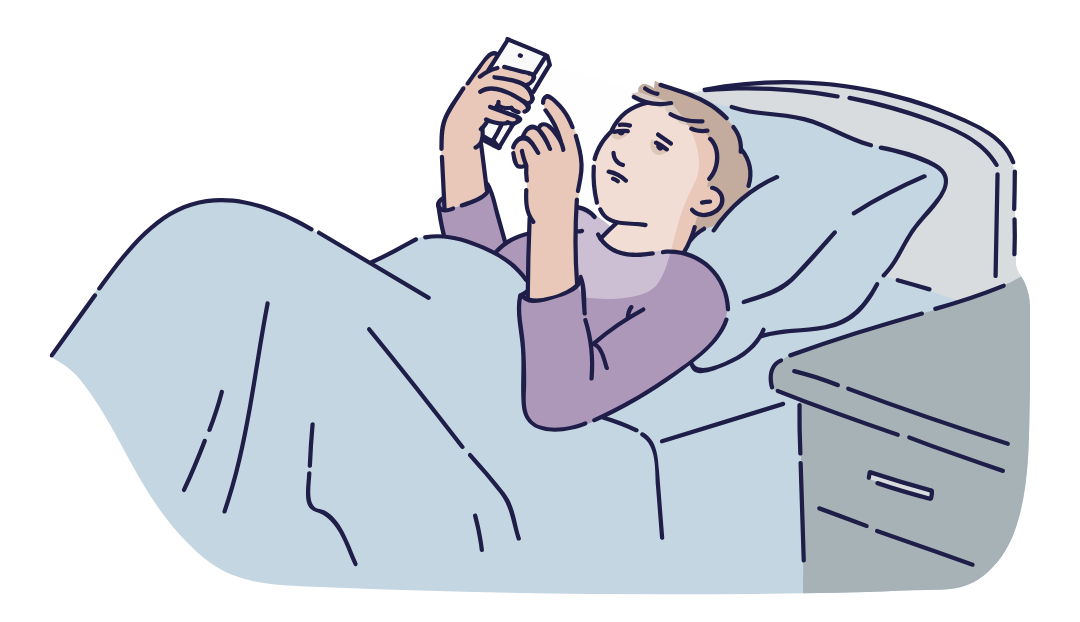
And all of these get worse when teens are scrolling in bed, when their brains should be powering down.
What We Do in Our Own Home
My 16-year-old does have social media, but my wife and I have made it a priority to put clear rules in place around it … especially at night.
On school nights, the phone is off and handed in by 10:30.
On weekends, it can go a little later, but generally not past midnight.
The Wi-Fi also shuts down at a set time so there’s no temptation.
Still, there are a couple things to look out for when trying to implement these or similar strategies. Kids and teens get creative in finding other ways to access their social media.

Having a second phone or tablet that a parent doesn’t know about is VERY common.
You may turn your wifi off, and have them hand in their phone, but is their phone now being used as a mobile hotspot?
Perhaps your kid has access to the neighbour’s WiFi. Not everyone password protects. And even if they do, it’s not hard to get a WiFi password from a neighbourhood kid.
Social media can be accessed on phones and tablets, but also computers, gaming devices like a Nintendo Switch, or even smart speakers can be used.
Why do we do this?

Because tired brains make worse decisions. That’s not just opinion, that’s neuroscience.
At night, everything feels more intense. A comment that wouldn't matter during the day can set them off.
Social media late at night often leads to overthinking. Teens can spiral quickly when they’re lying in bed trying to make sense of something someone posted.
And it completely disrupts their ability to wind down and sleep, which then affects the next day, and the day after that…
These aren’t just house rules we made up. They come from years of seeing what happens in the clinic, from conversations with other professionals, other parents in the community, and from living it ourselves.
What Parents Can Actually Do
Even if your country doesn’t have laws like Australia’s, there are still practical steps you can take that make a real difference.
Set limits at night: It doesn’t have to be harsh, just clear.
Download the same apps your kids are using: Familiarize yourself with the space they’re in and how it works.
Talk to your kids: Ask how they feel when they’re using social media, not just what they’re doing on it. These conversations aren’t “one and done” but should be consistent parts of your relationship.
Work with other parents: If you all agree on a basic set of boundaries, your kids won’t feel like they’re the only ones.

Final Thoughts
This whole conversation around social media and teens is long overdue. The damage is already showing, and the pressure on young people is only growing.
Australia has decided to take a strong stance. Whether that’s the perfect solution or not, it’s pushing the rest of us to stop ignoring the problem. We need to think hard about how we’re protecting our kids in a space that was never built for them in the first place.
Until bigger changes happen, the best tools we have are still found at home. That means setting clear expectations, understanding the apps, and staying involved… even when it’s tough. That’s how we protect our kids, together.
If you are looking for additional support get in touch with us HERE or by calling 587-333-6349. At Sano State Psychology, we are always happy to help.
Disclaimer
Our content is for informational and educational purposes and is not a replacement for professional advice, diagnosis, or treatment. If you're facing mental health concerns, please seek help from a qualified professional for personalized guidance. Every individual's situation is unique, so use the information here at your discretion. While we strive for accuracy, the field of psychology is ever-evolving, and our content may not always reflect the latest research. Please prioritize your privacy by avoiding sharing personal information in comments or interactions. Your well-being is our top concern, so use our content for educational purposes, but remember to rely on professionals for your specific needs.


